OJÚ-ÌWÉ KÍKUN ÀWỌ̀ BÍBÉLÌ
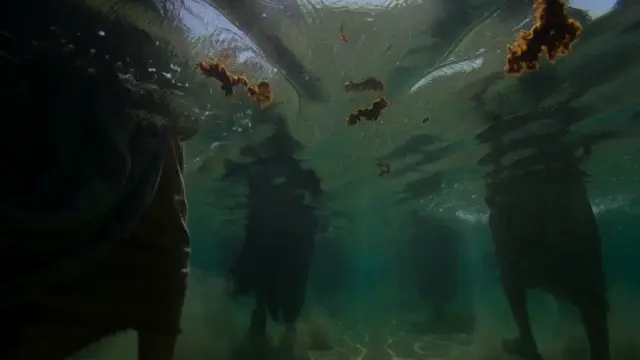
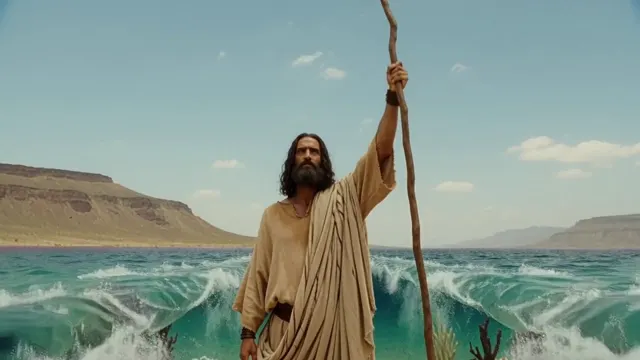
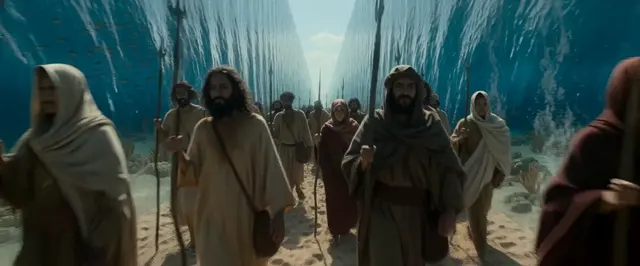
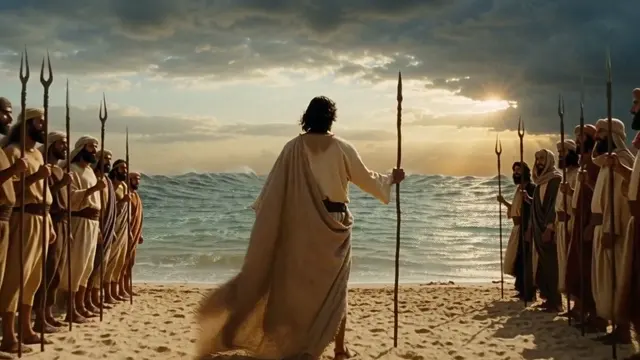
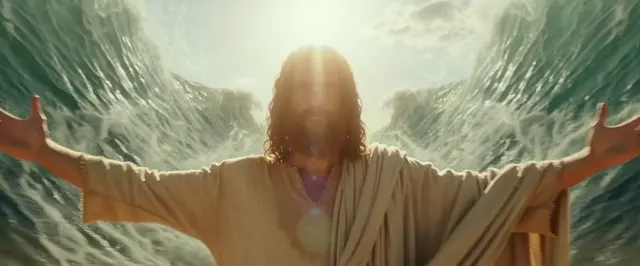
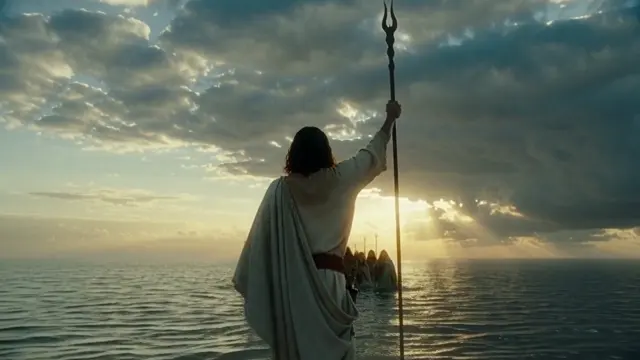
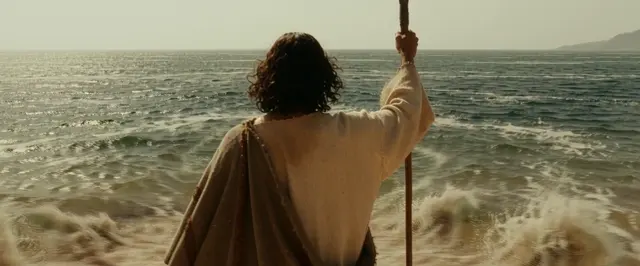
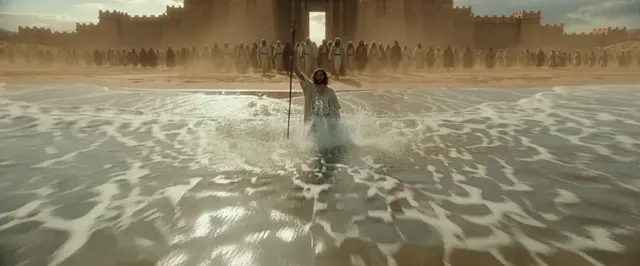
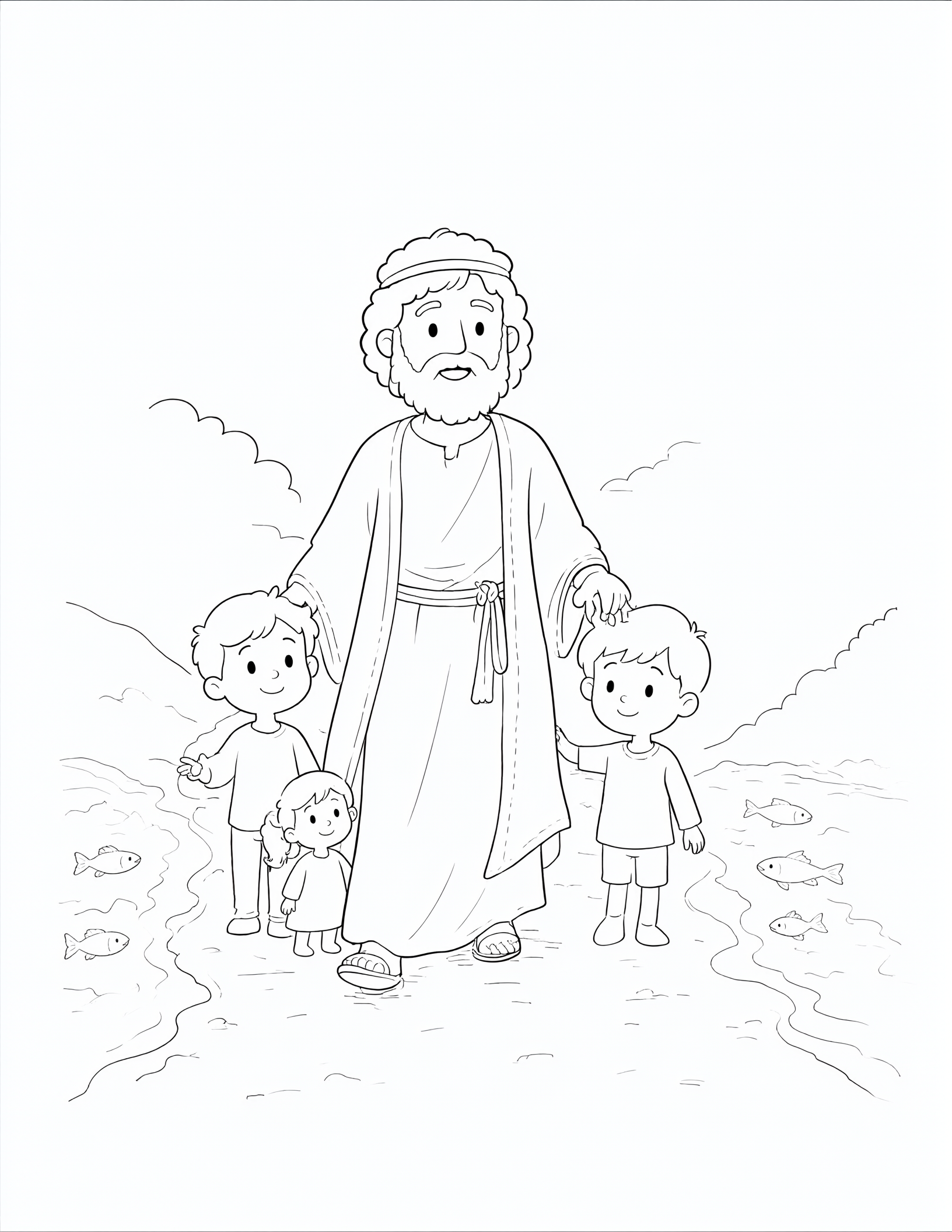
Líla Òkun Kọjá
Ẹ́kísódù 14:21-22
Ojú-ìwé kíkun àwọ̀ ti Mósè tí ń darí ìdílé kékeré kan ní ọ̀nà gbígbẹ láàrin ògiri omi jẹ́jẹ́ méjì tí ìrísí ẹja wà nínú wọn.
1632 × 2112 px · Ojú-ìwé kíkun àwọ̀
Language in this image
No embedded text
Changing the website language does not change lettering in the downloaded image. About media languages.
Àwọn ohun èlò Bíbélì ọ̀fẹ́ fún ìjọsìn, ilé-ẹ̀kọ́ ọjọ́ Àìkú àti ìkẹ́kọ̀ọ́ Bíbélì.
A fàyè gba lílò àti pínpín kiri fún ẹ̀kọ́ lọ́fẹ̀ẹ́. A kà á léèwọ̀ láti tà á padà fún èrè tàbí láti pín in kiri gẹ́gẹ́ bí ilé ìkàwé ìtajà olùdíje. Òfin lílò àti ìkìlọ̀ nípa ìgbésẹ̀ òfin.