ÀWÒRÁN BÍBÉLÌ
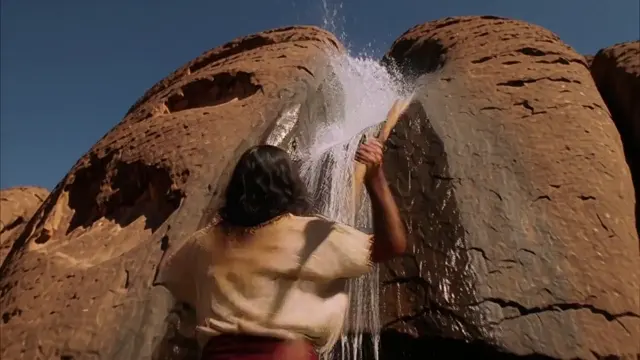
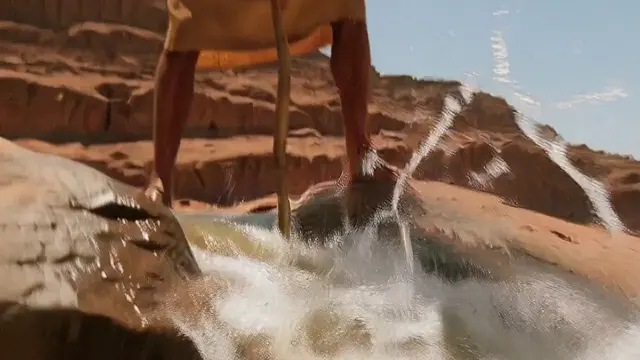
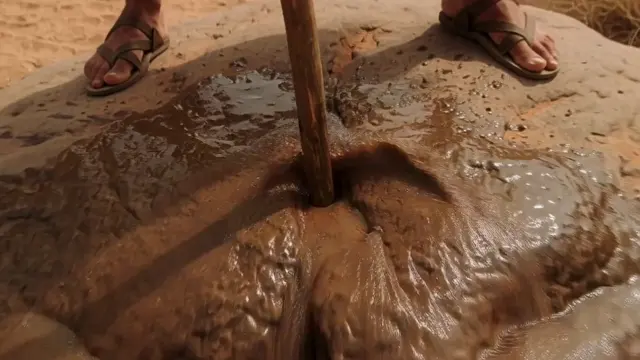
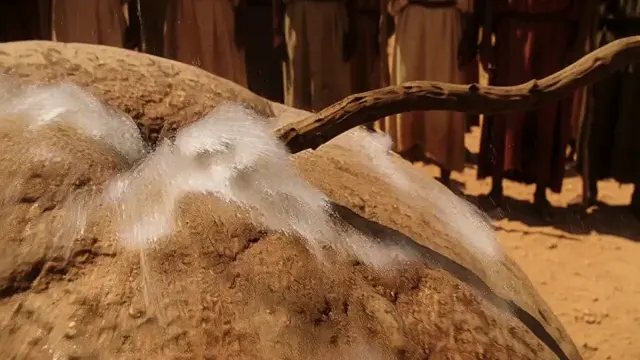
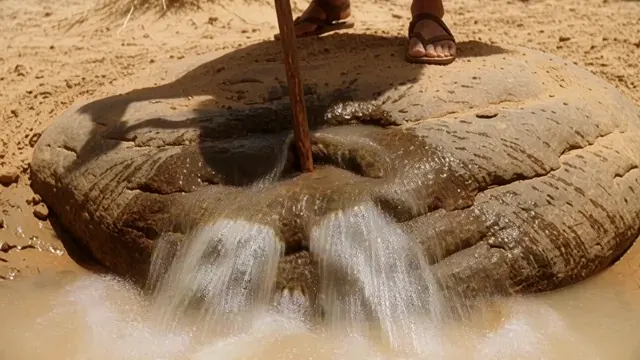
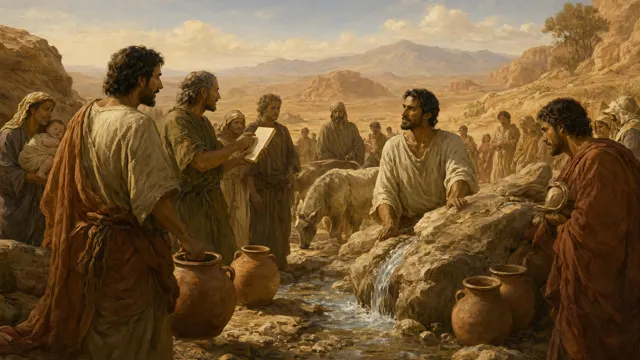
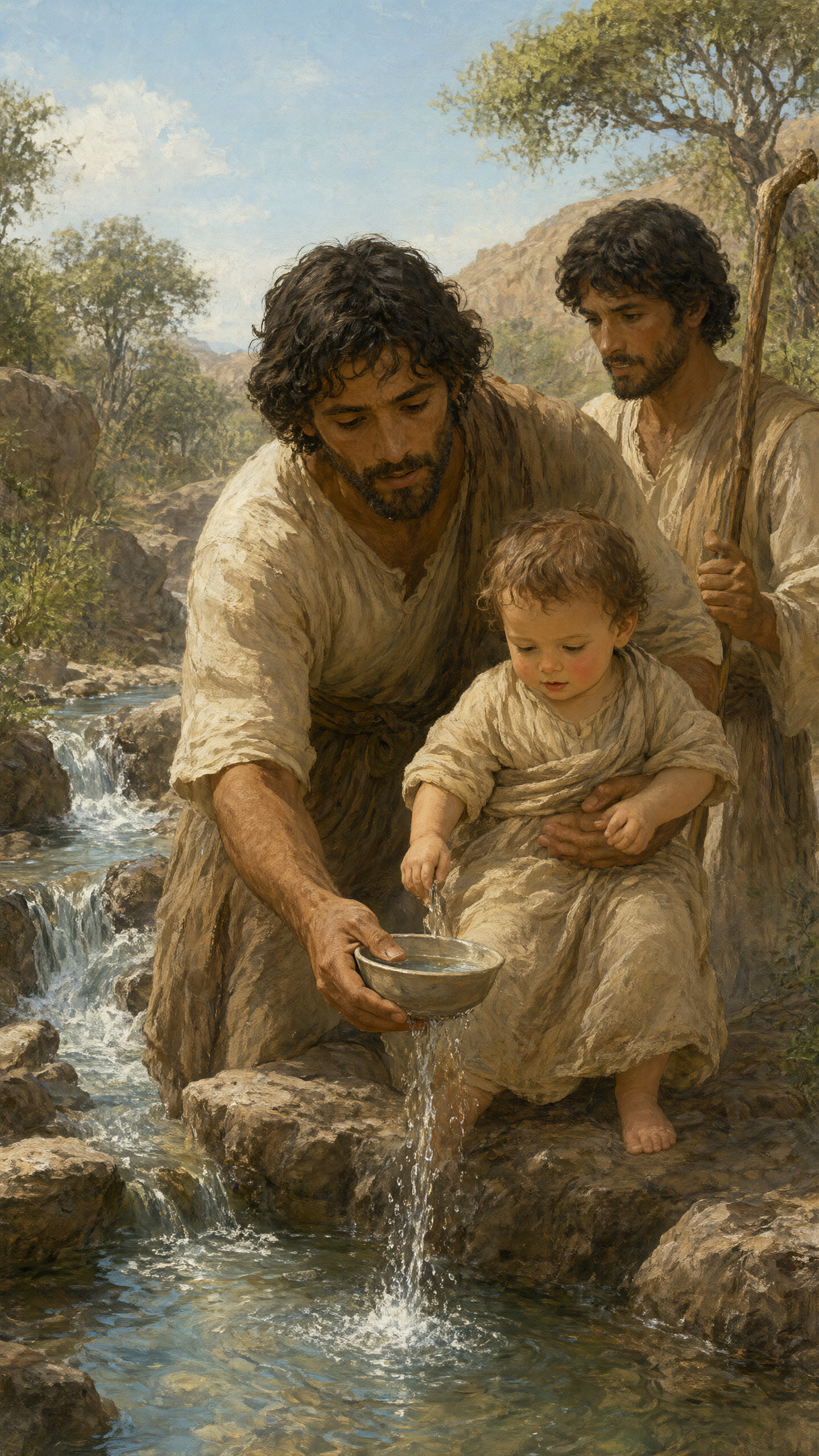
Omi - Odò Ṣíṣàn Ní Aginjù — Ọmọdé Kan Pọn Omi Sínú Àwo
Ẹ́kísódù 17:5-7
Ọmọdé kan pọn omi sínú àwo kékeré kan láti inú odò tuntun tí ń ṣàn láti inú àpáta, ọ̀pá Mósè àti àgbàlagbà kan tí ara rẹ̀ balẹ̀ sì wà lẹ́yìn omi tí ń dán náà.
1440 × 2560 px · Àwòrán ìtàn Bíbélì
Language in this image
No embedded text
Changing the website language does not change lettering in the downloaded image. About media languages.
Àwọn ohun èlò Bíbélì ọ̀fẹ́ fún ìjọsìn, ilé-ẹ̀kọ́ ọjọ́ Àìkú àti ìkẹ́kọ̀ọ́ Bíbélì.
A fàyè gba lílò àti pínpín kiri fún ẹ̀kọ́ lọ́fẹ̀ẹ́. A kà á léèwọ̀ láti tà á padà fún èrè tàbí láti pín in kiri gẹ́gẹ́ bí ilé ìkàwé ìtajà olùdíje. Òfin lílò àti ìkìlọ̀ nípa ìgbésẹ̀ òfin.